Research project Legumes: indispensable element in agro-ecological crop systems for food production

General introduction
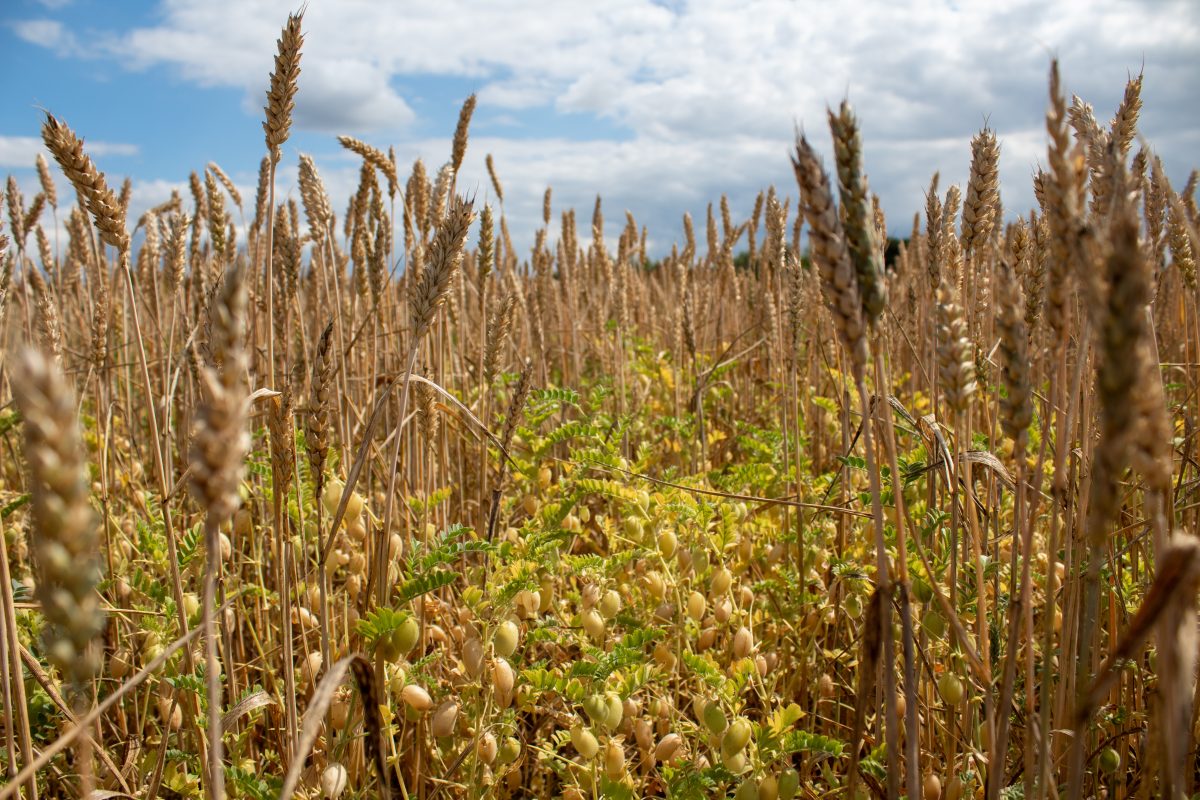
What benefits and additional stability can be gained from strip cropping, especially in protein crops? This research question in the LEG-O project brings knowledge for the slowly increasing cultivation of local Flemish protein crops. The rising demand for vegetable protein sources, the economic opportunities and the numerous ecological advantages make the local cultivation of protein crops attractive. But one of the major challenges for the Flemish farmer is stability, both in terms of yield and quality. Protein crops are often less stable than other crops. Recent research in the Netherlands shows that cultivation in strips results in reduced infestation by diseases and pests in cauliflower and potatoes, among others, and in a more stable yield. A rotation of exclusively arable crops for human nutrition in strip cropping forms the innovative core idea of this project.
Research approach
The crops we focus on are three dry-harvested legumes: field pea, field bean and red kidney bean, complemented by three cereal crops: baking wheat, durum wheat and malting barley. By choosing durum wheat, we are responding to the changing climate and introducing a potentially new crop in Flanders. We target both organic and conventional arable farmers in order to take a step towards local, sustainable food production for the future together with them. In doing so, we also involve the other links in the chain including seed companies, contractors, drying and triage operators, as well as processing food companies and retailers.
Relevance/Valorization
The overall goal of this project is to increase the yield, quality and stability of three protein crops (field pea, field bean and red kidney bean) and thereby reduce the risks for the farmer. At the same time, the rotation studies the potentially present positive effects of the protein crops on the follow-on crop (think of additional nitrogen availability after growing legumes). For this purpose, the cereal crops baking wheat, durum wheat and malting barley are being sown. First steps in chain development and extensive knowledge dissemination will also contribute to improved profitability for farmers. This project is financed with "EU blue deal" funds (VLAIO).
Financing
VLAIO