Research project Measuring current welfare trends in function of nitrogen emissions in broilers

General introduction
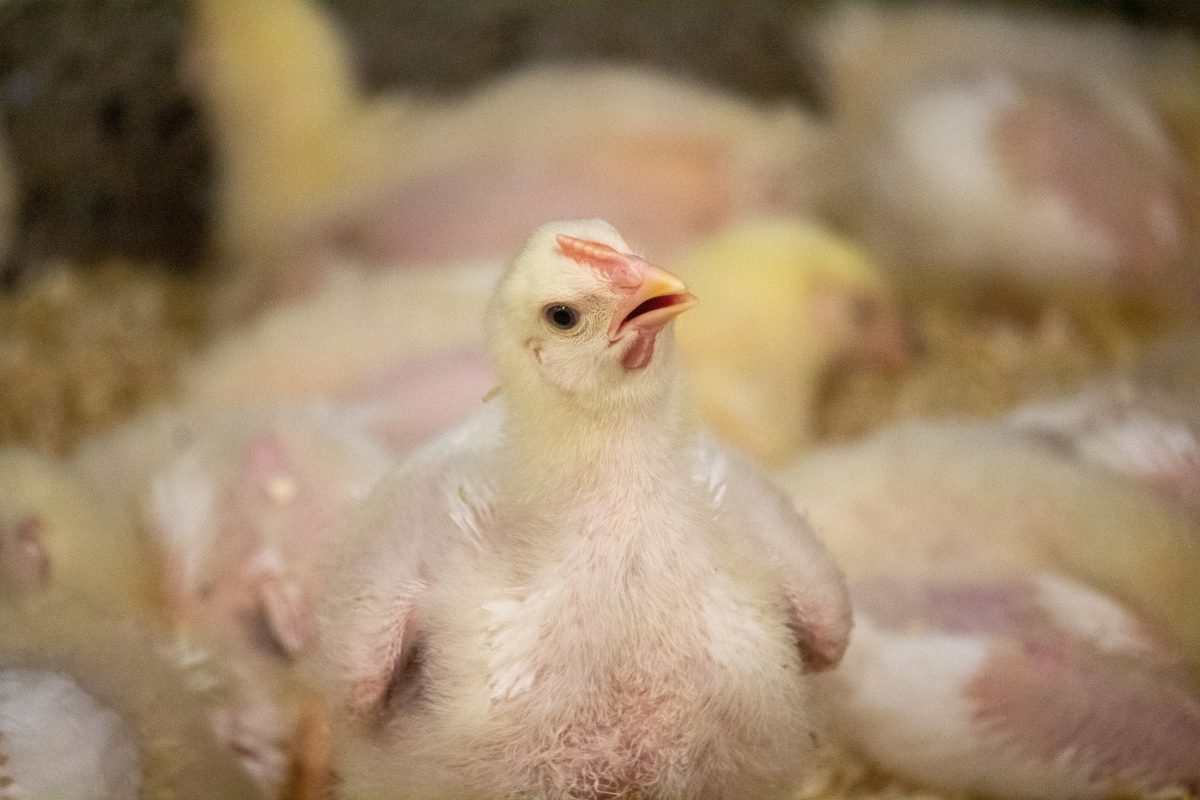
Poultry farmers feel that different societal demands such as improved animal welfare or lower environmental impact sometimes push them towards conflicting recommendations. This project looks at the ambitions around emission reductions as well as around animal welfare, and integrates the related farm interventions. The goal is to better understand how certain housing measures or genetics affect the goals that a poultry farmer may have.
Research approach
An effects matrix is drawn up based on current knowledge (breed, feed, housing, etc.) to use an integrated approach to determine the impact of two current welfare trends on ammonia emissions and other aspects of farm operational management. The measures are reduction of stocking density and slower-growing broilers.
Relevance/Valorization
This research is based on the observation that crucial facts are currently missing in the debate on the new welfare measures, specifically on the effect of a reduced occupation rate and the effect of the slower growing broilers on ammonia emissions (nitrogen emissions and deposition). We expect that the effect matrix from this project will serve as a tool for poultry farmers and farm advisers to make integrated and substantiated management choices.
Financing
Dept L&V, afdeling Monitoring en Studie