Research project Protein extraction from lucerne and clover for broiler and pig feed

General introduction
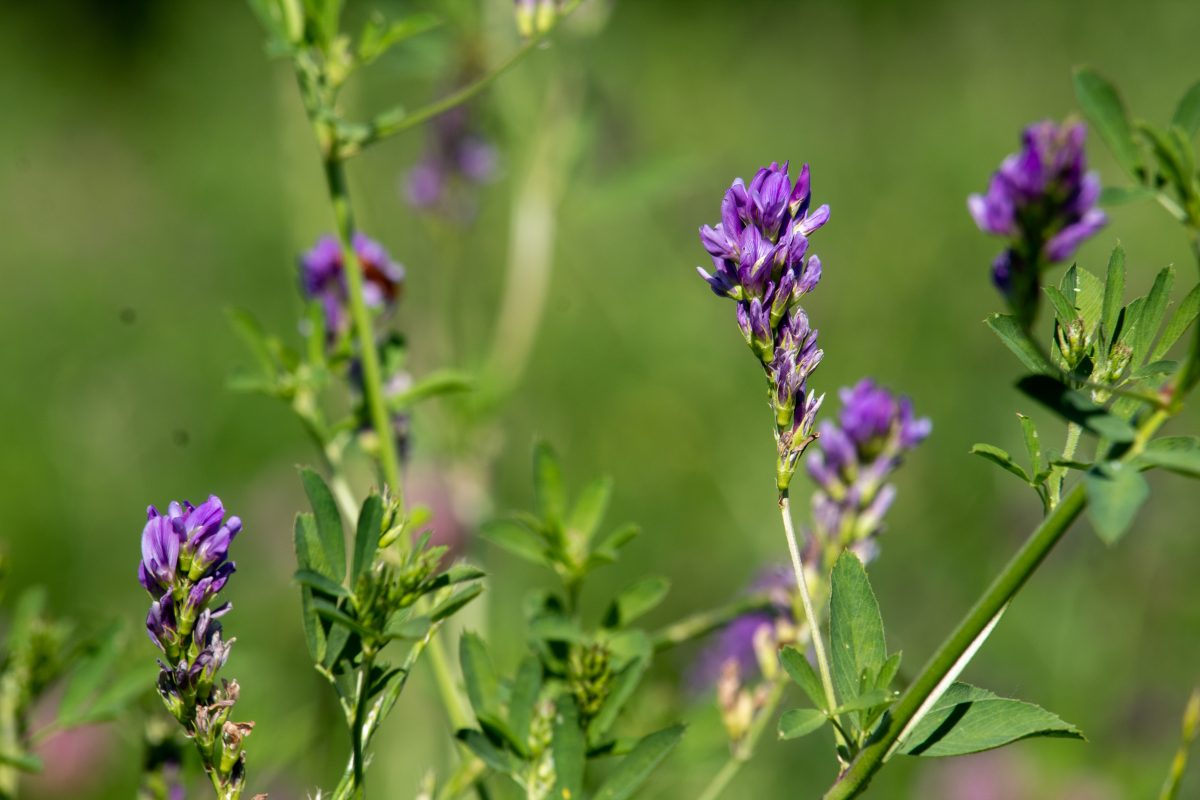
Can we extract the crude protein from the leguminous plants alfalfa (lucerne) and red clover, which are both green fodder crops with well known cultivation techniques, in order to mix that protein into the rations of (organic) pigs and poultry? We are answering this question in the LUZEX project. In livestock farming, there has been a demand for some time now for more, locally grown protein in rations. Ruminants (cows) can digest the protein-rich alfalfa and clover (up to 20% crude protein content) by themselves. Monogastric animals -pigs and chickens- cannot, unless a protein extraction is done first. The researchers take foreign expertise in this area as a basis for drawing up and optimizing an extraction protocol for these forages themselves. This is done on a laboratory scale and on a pilot scale. Lucerne is a relative newcomer in the crop rotation of Flemish arable and vegetable farms. Unlike other leguminous crops such as pea or soybean, there are several cuts per year, and thus the total biomass produced is considerable, up to 20 tons dry matter per ha for alfalfa and up to 15 tons/ha for red clover with a crude protein content between 15 and 20 percent.
Research approach
We start by reviewing international literature and technical experiences. We develop our own extraction protocol for protein from alfalfa and red clover using the extraction equipment in the Food Pilot in Melle. We test different techniques and different growth stages of fresh and ensiled lucerne and clover. Once the protocol is ready, we will determine the feed value of this protein for fattening pigs and for chickens. We investigate how the technique could be rolled out on an industrial scale, and which business model and chain could emerge around this local protein stream for feed applications.
Relevance/Valorization
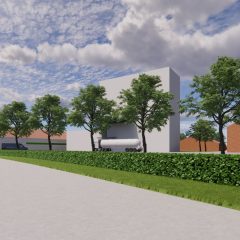
This research can help European agriculture (the livestock industry) move away from dependence on imported protein sources for livestock feed. The cultivation of alfalfa and clover succeeds very well under our climate and on our soils. The yield potential (protein per ha) for these crops is up to twice as high as for legumes (soy, pea, field bean) grown under the same conditions. The extraction technology makes this protein available for monogastric livestock (pigs, chickens), which would mean a larger market. The feasibility of the newly developed, regional alfalfa or clover protein chain may become a lot clearer through this project. In addition to the technical extraction protocol, LUZEX researchers are already working to estimate the most appropriate technological rollout of the process. Does the chain prefer a mobile plant or a more centralized approach?
Financing
Vlaamse Overheid - L&V