Research project To provide the Flemish poultry sector a heat action plan to maintain optimal health and the welfare of their poultry

General introduction
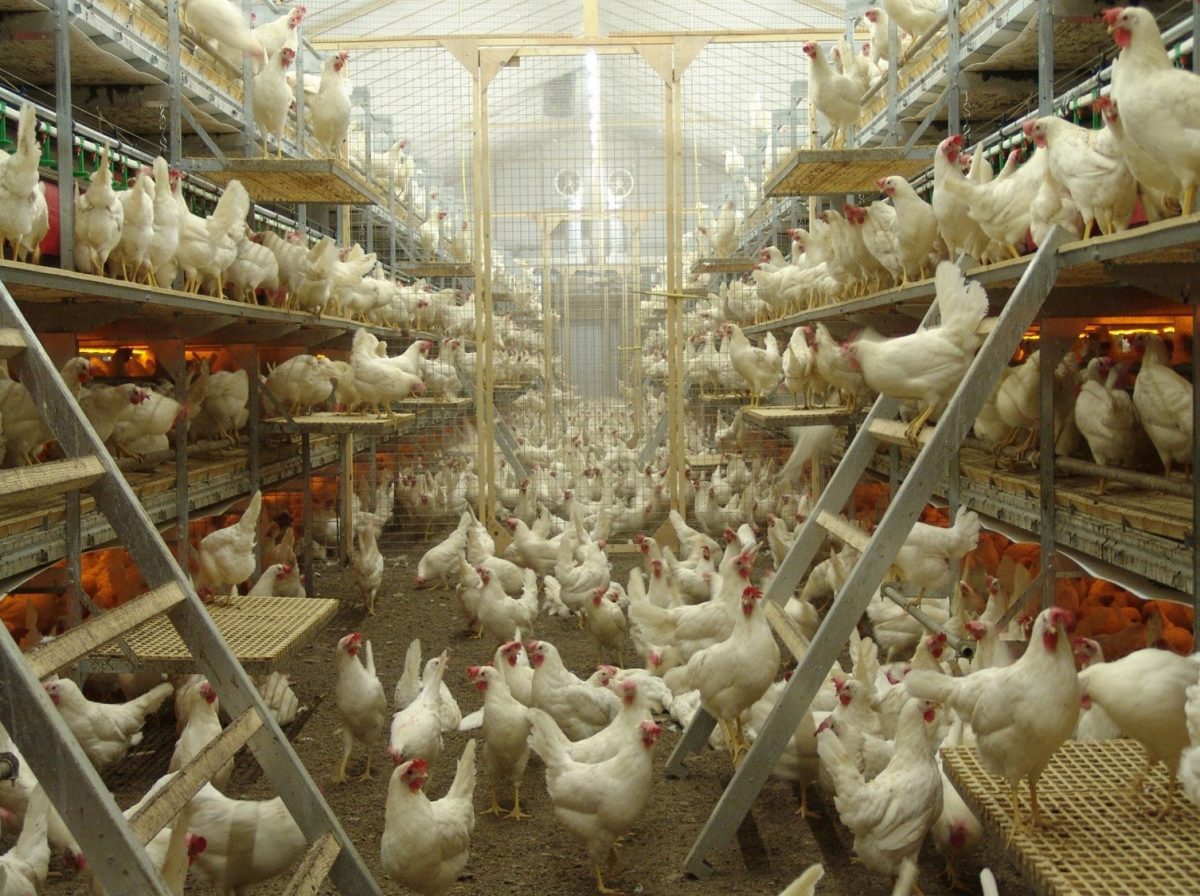
The overall aim of this project is to provide the poultry sector a farm-specific heat action plan. To reduce heat stress, various measures are advised, from the adaptation of management and feed techniques towards the application of climate control. This kind of recommendations were always valuable, but due to climate change and increasing frequencies of heat waves, more efforts are necessary to protect the animals. In addition to more general knowledge, a farm specific heat action plan with individually adapted improvement strategies for the Flemish poultry farmer is needed. Not only the poultry sector is requesting this but also society, in order to avoid unnecessary animal suffering.
Research approach
We identify these sub-objects: 1) We determine appropriate animal-related parameters to quantify the effects of heat stress, 2) We evaluate impact of potential incubation, management, feed, water, climate and technical strategies as well as their combinations, on the production results, health and welfare of the animals under commercial circumstances. 3) We apply and/or evaluation the best practises on individual farms. We obtain knowledge about the circumstances resulting in heat stress. We select parameters or possible predicting combinations. These scientific efforts result in 1) the development of a scientific based online tool, indicative for the initiation of the heat action plan, and 2) providing a farm specific heat action plan with recommendations which will be efficient, economic and practical feasible .
Relevance/Valorization
We expct this action plan to make the Flemish poultry sector more socially accepted and economically stronger. Reduction of heat stress will result in a higher return on investment due to a reduced mortality percentage, reduced health problems and increased production results. By applying this heat action plan, animal welfare will be increased and more can be done than legally required. This will only benefits the sector.
Financing
VLAIO