Research project Sustainable Proteins from Seaweed

General introduction
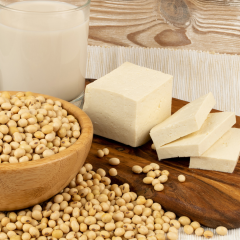
How can seaweed farming and processing in Flanders eventually be developed into an additional source of sustainable locally-produced protein? That is the research question in the SUPROSEA research project. Europe, including Flanders, faces a looming protein shortage due to dependence on imported crops such as soy, leading to unsustainable practices. The Flemish Protein Strategy aims for a ratio of 40-60% animal/plant proteins. Taking into account the limited agricultural land, this project focuses on aquatic protein sources, especially locally grown seaweed (green, brown, red). Seaweed is rich in protein as well as other high-quality substances such as pigments. Both can be used in the food and feed industry.
Research approach
The approach includes several links of the future sustainable seaweed value chain:
1. Optimization of seaweed farming: Improve local farming conditions to increase the yield and quality of components to be extracted.
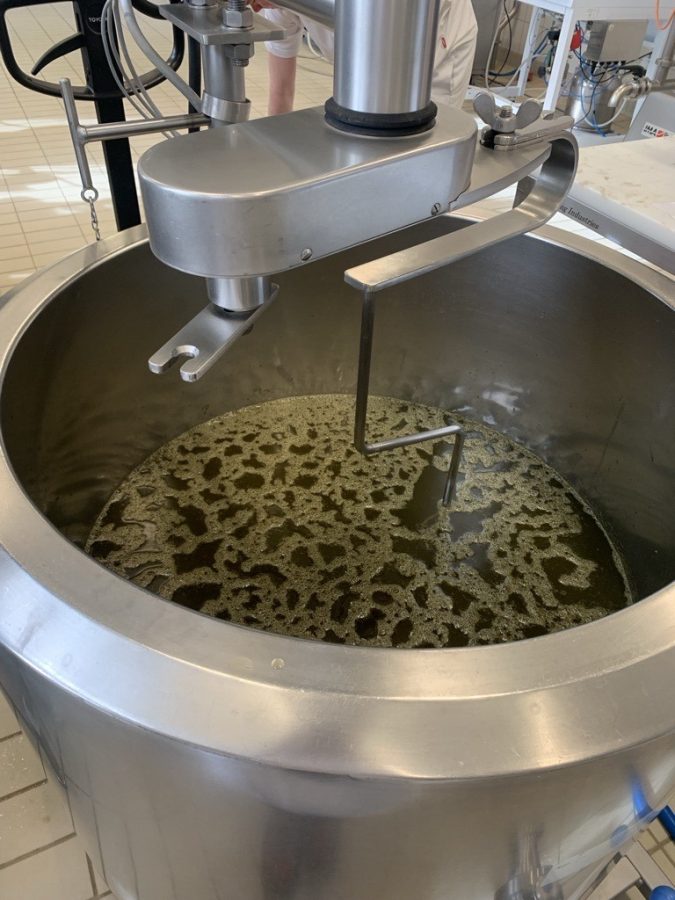
2. Biorefinery and valorization: Testing mild extraction techniques for proteins and pigments, plus use of the remaining biomass in a cascade approach (zero-waste), including fermentation into microbial proteins.
3. Characterization and applications: Evaluation of proteins and high-value compounds in food and feed trials.
4. Process modeling and sustainability evaluation: Modeling biorefinery processes to simulate scaling up scenarios and evaluate them against an integrated sustainability methodology, including life cycle analysis, biodiversity impact and market analysis.
Relevance/Valorization
By valorizing seaweed as a sustainable and locally available protein source, the researchers expect to find a piece of the solution to the predicted sustainable protein shortage. The project contributes to Flemish goals for environmental sustainability and self-sufficiency in protein production. By benchmarking with existing protein sources such as soy and animal products, SUPROSEA also results in immediate insight into the economic and ecological added value of a seaweed value chain. This makes the project relevant not only for food and feed producers, but also for policy makers striving for a more sustainable and resilient food system.