Project news Plant-based drinks versus dairy
A growing proportion of the population is opting for plant-based dairy alternatives. Allergies or food intolerances may be the reason, but health, sustainability, and animal welfare are also often reasons for choosing a plant-based alternative. As a result, the range of plant-based drinks, vegan cheeses, and vegan yogurts on the market has increased significantly.
Although these products may resemble milk and dairy at first glance, they are completely different in terms of technology and microbiology. This presents new challenges in terms of production and food safety.
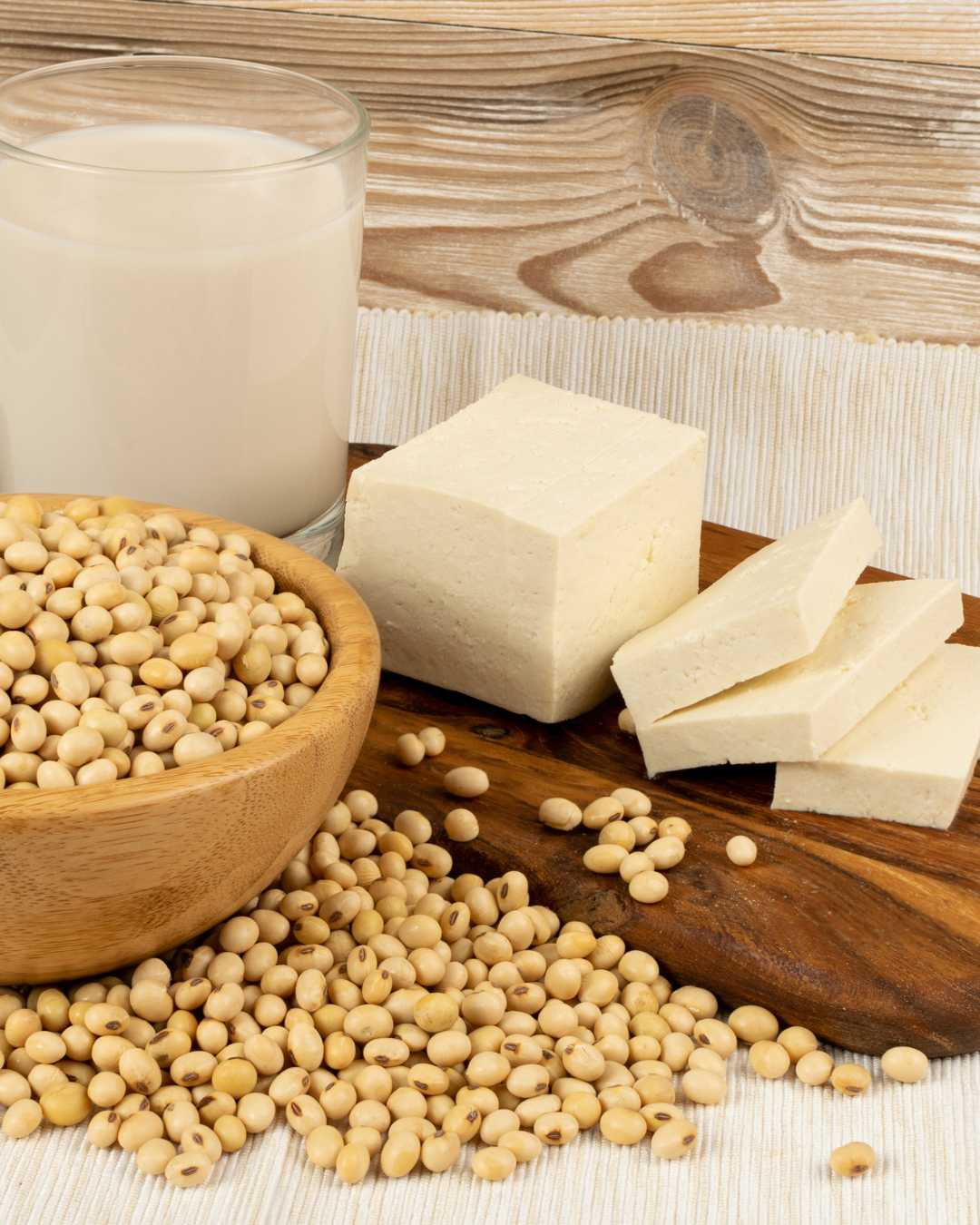
Plant-based dairy alternatives: microbiological and production challenges
Plant-based alternatives often contain legumes such as soy, peas, and lupine. These raw materials have a different microflora than milk. For example, spore-forming bacteria (such as Bacillus cereus) and fungi are more common. Some spores are also very heat-resistant and can survive pasteurization or Ultra High Temperature (UHT) treatment.
In addition, plant-based products are often complex foods with multiple ingredients that have undergone several processing steps to become a consumable product. These many steps create new risks and barriers that are less common in the dairy sector.There are also technological challenges:
-
Plant-based drinks have a complex and unstable composition and tend to separate, form sediment, or shed fat.
They require a more intensive homogenizatie and heat treatment.
-
Production requires generally more process steps than milk.
-
Plant-based slurries of soy or peas, for example, are very stiff and difficult to filter.
-
The composition of plant-based raw materials is more variable based on year of harves, variety, soil and climate.
The composition of milk is relatively constant, and the required heat treatment is generally predictable.
Plant-based drinks versus dairy: what are the differences?
| Plant-based drinks | Dairy (milk) |
|---|---|
| Base: legumes or grains | Base: milk |
| Complex and often unstable composition | Naturally stable emulsion (fat in water) |
| Tendency toward separation and sedimentation | Casein cells provide structure |
| More and more heat-resistant bacterial spores possible | Less well-known and better-known spores |
| Greater variety in raw materials | Relatively constant composition |
| More complex production process with more steps | More standardized production process |
Project "FOD PADAL"
The FOD PADAL research project, funded by the Federal Public Service Health (Contractual Research), responds to these challenges. The project is being carried out by ILVO, Ghent University, and the University of Liège.
The aim is to draw up a microbiological risk profile for plant-based drinks, vegan cheeses, and vegan yogurt.
This involves:
Identifying the main types of products and their initial contamination,
-
Identifying production processes and critical control points,
-
researching heat treatment, fermentation and storage to reduce potential growth of pathogens like Salmonella, L. monocytogenes and the B. cereus group,
-
developing recommendations for best practices and minimal time/temperature combinations.
This leads to a risk categorization that can serve as a basis for risk-based monitoring.
Conclusion
Plant-based dairy alternatives play an important role in the protein transition.At the same time, they bring new microbiological and technological challenges. Through targeted research and substantiated recommendations, the FPS PADAL project aims to contribute to the safe and well-managed production of this rapidly growing product category.


