Research project Newly emerging risks of pests for plants and plant products in Belgium

General introduction
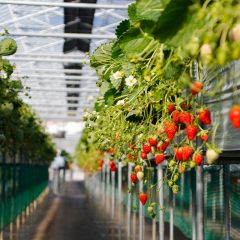
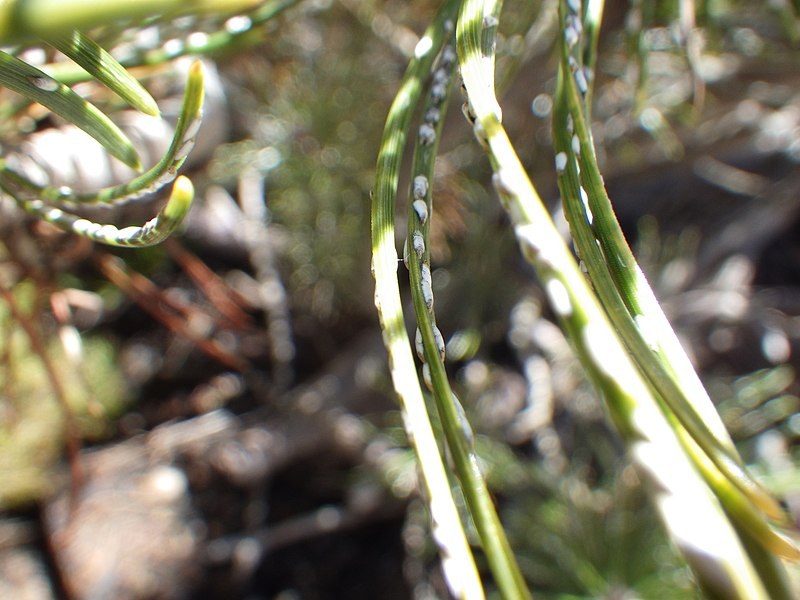
The aim of this project is to determine the phytosanitary status in Belgium for 6 regulated plant pathogenic fungi and for 5 insect pests (present/absent). For the fungi (and oomycetes) these are: Colletotrichum fructicola and C. siamense on apple, pear and strawberry; Phytophthora pluvialis on Douglas fir; Phytophthora nemorosa and Phytophthora hibernalis in the ornamental sector; and Phytophthora austrocedri on wild juniper. For the insects we will cover: three species on pines, namely Chionaspis pinifoliae (an armoured scale insect), Crisicoccus pini (a mealybug) and Toumeyella parvicornis (a soft scale insect); the moth Garella musculana on walnut; and the polyphagous winged cicada Pochazia shantungensis.
Research approach
Determining the status of these plant pathogens and pests will be done via targeted surveys, in each specific case on the host plants and in the sectors (fruit crops, ornamental crops, forests, nature) where they might occur. In certain cases this will first involve development or verification of methods for detection and sample analysis. Samples will be taken for 2 years during relevant periods. Either with or without a storage period, samples will be analyzed according to the most applicable methods for detection and identification.
Relevance/Valorization
This project fits within the framework of the EU quarantine legislation, and in particular directive EU/2019/2072. This directive lists regulated organisms and also deals with the assessment of phytosanitary risks, on the basis of which decisions for action are taken. Risk assessment includes determining the status of regulated organisms based on scientifically sound methods. In addition, legislation places a greater emphasis on prevention, so the project also contributes by raising awareness about these organisms among scientists, operators, and the public.
Financing
FOD Volksgezondheid, Veiligheid van de voedselketen en Leefmilieu