Research project Sustainable sow feeding for optimal lactation

General introduction
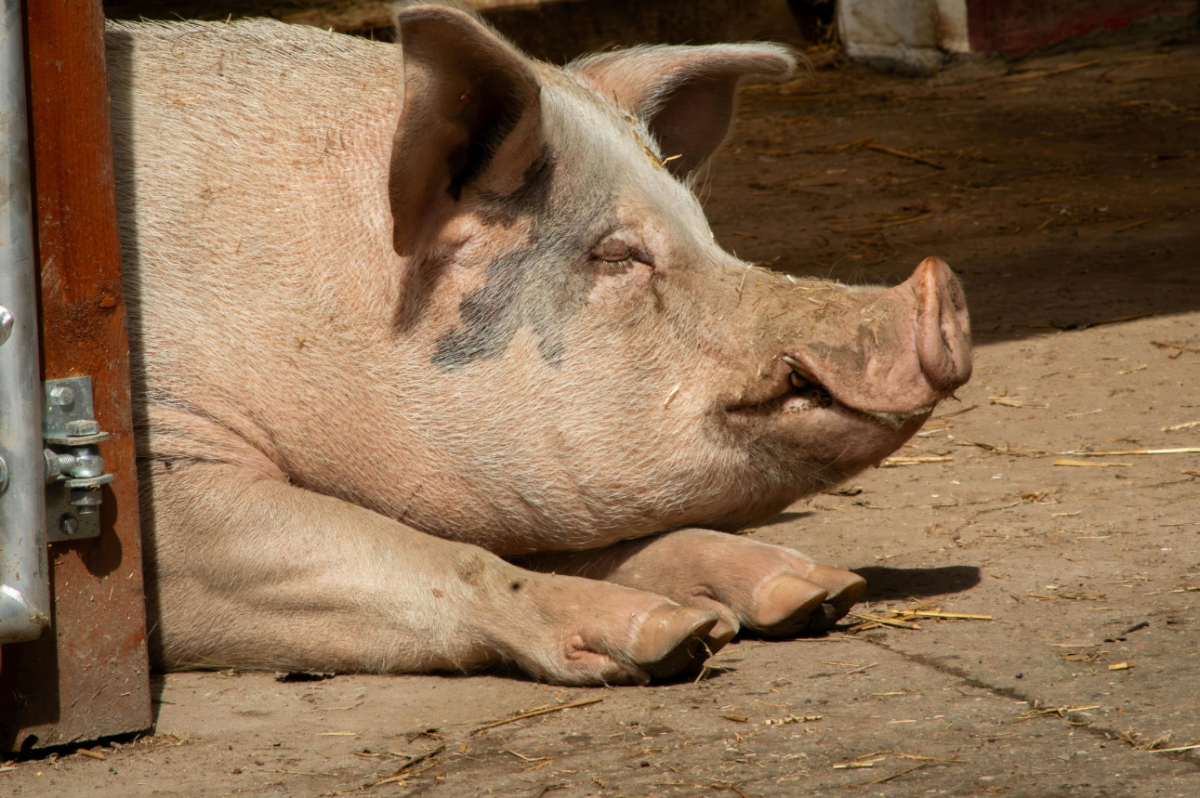
Can we develop an improved preparatory feeding schedule for lactating sows with many piglets so that the animals' very high feed requirements are fully met? The aim is to increase the welfare and production of the sows while keeping nutrient emissions (more specifically, nitrogen emissions) under control.
Genetic selection has resulted in more piglets being born per litter in recent years. The downside is that this causes a significant loss of condition in lactating sows. The expected lactation period of 28 days is also becoming more difficult to achieve. The current single-phase gestation feed leads to inefficient recovery. The systematic building up and mobilization of reserves in the animals carries the risk of higher nutrient losses with a negative environmental impact.
Research approach
We map out the classic prescribed feeding schedules, feed compositions, and nutrient digestibility between day 85 of gestation and the day of weaning. This is done by conducting a survey among stakeholders, analyzing feed at 50 farms, and performing condition measurements and determining digestibility at 15 farms. In experiments, we then test different fiber and energy sources and multi-phase feeding to monitor voluntary feed intake and condition changes throughout lactation. The results are translated into practical recommendations for the gestation phase (day 85 to farrowing). Validation is carried out through modeling and practical trials on Flemish farms. The economic and ecological impact, with a focus on nitrogen emissions, is calculated and the impact on animal welfare indicators is also analyzed.
Relevance/Valorization
A feed management system with maximum feeding according to need is expected to promote the healthy condition of the sows, reduce the sow replacement rate on farms, improve protein supply and utilization within Flemish sow farms, and favorably influence their nutrient emissions. We also expect pig farmers to enjoy their work more. The Flemish pig sector is under pressure from price volatility, environmental restrictions, and stricter animal welfare requirements.
Financing
VLAIO