Research project Methods for virus-free commercial crops for the horticulture sector
Evaluation and optimization of a high-throughput sequencing based strategy to detect viruses and bacteria in view of certification and in vitro therapy to create virus free mother plants
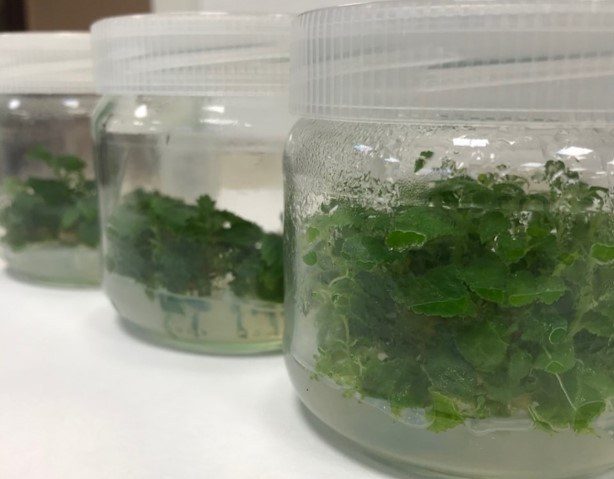

General introduction
The aim of the VIRVRIJUIT research project was to produce virus-free starting material (seeds, cuttings, planting material, tissue, etc.) for commercial crops and to provide a usable technology based on high-throughput sequencing (HTS) for this purpose. Specifically, steps have been taken in testing and implementing crop-specific HTS procedures. The various available procedures were evaluated and, where applicable, further optimized for use in certification (tree nurseries and fruit trees), the in vitro sector, and for obtaining virus-free mother plants. For the various target groups, there is a tailor-made HTS strategy that responds to the need for detection of viruses and even (specific) plant bacteria. According to the research partners, the implementation of this HTS technology on a broader scale offers added value: greater speed, performance, accuracy, lower virus detection costs, and therefore almost certainly a significant (favorable) economic impact on the professional actors involved.
Research approach
First, a suitable extraction method was optimized for each crop group (sub-sector). A simple, fast, and affordable HTS strategy is now available, including efficient data analysis. In addition, the phytosanitary risk of the known and unknown viruses found was evaluated for the various cases studied. A range of different virus eradication techniques, such as thermotherapy, cryotherapy, and chemotherapy, were evaluated for the in vitro sector. A general cost-benefit analysis was also carried out for all cases and strategies. The ILVO researchers continue to make their expertise available to assist the end-user companies involved in the practical integration of the technology into their existing analysis procedures. In consultation with the policy authorities, the path has been set towards a more workable, recognized certification strategy.
Relevance/Valorization
According to the researchers, the implementation of HTS technology can significantly reduce the costs of virus detection in plants. Previous studies indicate a reduction in certification costs of roughly 80% (Al Rwahnih, UC Davis USA, 2017). This is expected to have a positive impact on the competitive position of Belgian propagation companies. The participating companies appear to be engaged in a race with their foreign competitors. Those who can supply their customers with planting material that is guaranteed virus-free will win the market. Absolute virus freedom is increasingly becoming a must for propagation material and its end products. For example, the testing requirements for international plant trade are changing (becoming stricter) in the context of the new plant health law implemented in 2019 and the division into Q organisms and RNQP organisms.
Financing
VLAIO