Research project PROmoting Sustainable development and regional attractiveness through PERi-urban Areas


General introduction
How can peri-urban areas develop sustainably while safeguarding open space, biodiversity and ecosystem services? This question was at the heart of PROSPERA, a European cooperation project focused on sustainable development and regional attractiveness in peri-urban regions. Partners from Belgium, Italy, Greece, Hungary and Sweden explored how natural and cultural heritage can simultaneously strengthen environmental quality, social well-being and economic development. Through a structured learning process, the project identified 36 common challenges, ranging from biodiversity conservation and farmland protection to climate adaptation, food systems and sustainable mobility. The project demonstrated that integrated governance, stakeholder participation and stronger links between nature, agriculture, heritage and local economies are key drivers for resilient peri-urban development.
Research approach
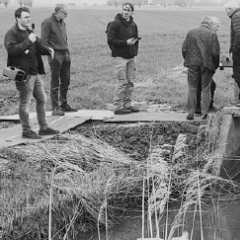
ILVO was responsible for designing and facilitating the methodological framework underpinning the interregional learning process. Through regional analyses, stakeholder engagement, study visits and knowledge exchange activities, the project identified 36 shared challenges and analysed 24 good practices from the participating regions. Innovative learning tools were developed to support mutual understanding, comparison of regional contexts and assessment of transferability. Partners evaluated which good practices could be adapted to their local situations and translated these insights into regional action plans. The project therefore produced both practical policy recommendations and a transferable methodology for interregional learning and collaborative governance in peri-urban areas.
Relevance/Valorization
PROSPERA demonstrated the strategic importance of medium-sized cities and their surrounding peri-urban areas in achieving sustainable and climate-resilient regional development. The project generated practical knowledge on topics such as green infrastructure, farmland preservation, sustainable food systems, biodiversity enhancement, climate adaptation and participatory planning. Several good practices, including Ghent en Garde, Green Climate Axes, Greenways and Rural Village Development Strategies, proved transferable across regions and inspired local policy improvements. For Flanders, the project provided valuable insights into protecting open space, strengthening urban-rural linkages and developing integrated governance approaches for peri-urban territories. The methodologies and learning tools developed within PROSPERA also offer lasting value for future European cooperation and policy innovation initiatives.